Care Beyond Cure
India's emergence as a healthcare destination for South Asia is often measured in numbers: foreign patients treated, hospitals accredited, surgeries performed and revenues earned.
She stepped in when Nepal was divided and the streets were burning, never expecting to lead. Now, after guiding the country to elections, Sushila Karki quietly hands power to Prime Minister Balen Shah and exits with grace.




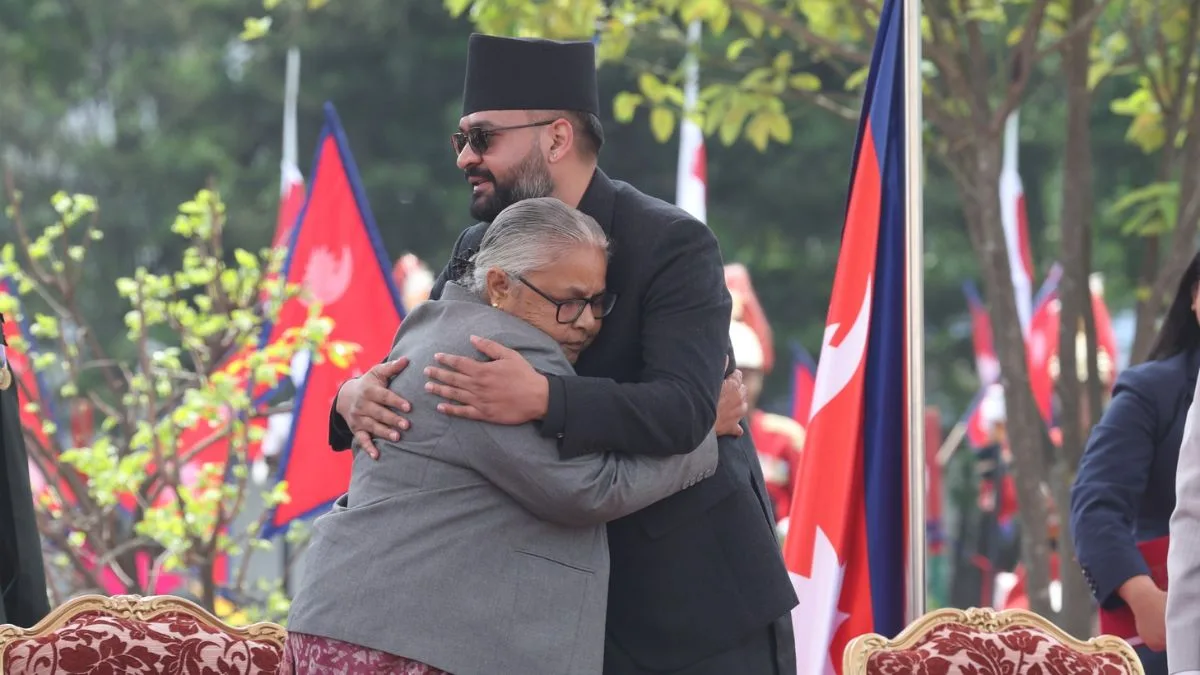
Image Source: X
Nepal’s political stage has seen loud protests, burning buildings, and dramatic comebacks. But this week, it witnessed something softer; a quiet, graceful goodbye. The woman at the center of it all, Sushila Karki, stepped away from power with calm words, tired eyes, and a sense that her unusual journey had finally come full circle.
Karki never planned to become prime minister. In fact, she had already retired. But when deadly anti-corruption protests shook Nepal in September 2025, the government fell and country was left searching for steady hand. Parliament buildings were burned, offices destroyed, and 77 people lost their lives. The nation of 30 million looked deeply divided.
Advertisement
नवनियुक्त प्रधानमन्त्री बालेन्द्र शाहलाई बधाई। ३५ वर्षीय युवालाई आफ्नो उत्तराधिकारीका रुपमा पाउँदा मलाई थप हर्षित बनाएको छ। जोस र होसको सन्तुलन मिलाएर जनादेशको सम्बोधन गर्न सफलता मिलोस्। अपार शुभकामना। pic.twitter.com/KzAm35YzSp
Advertisement
— Sushila Karki (@pmsushilakarki) March 27, 2026
That is when her name suddenly appeared, not from party leaders, but from Gen Z protesters coordinating online through Discord. It sounded almost like a plot twist from a political drama: a retired judge called back by young activists to stabilize the country.
She accepted, but reluctantly. In her farewell broadcast, the 73-year-old admitted she was scared at first. She spoke slowly, her grey hair tied in a bun and thick glasses resting on her face.
“When I assumed this responsibility… I was filled with fear and uncertainty,” she said. Yet she added she came with hope, hoping to “light some lamp” during the crisis.
Her first day was not glamorous. The prime minister’s office itself had been damaged during the violence. Government buildings stood charred. The political mood was tense. Nepal had not seen such turmoil since the end of the civil war in 2006.
आज मेरो सार्वजनिक जिम्मेवारीको महत्त्वपूर्ण अध्याय औपचारिक रूपमा समाप्त भएको छ। कठिन परिस्थितिबीच सबैको सहकार्य, समन्वय र संयमले तोकिएकै समयमा निर्वाचन गर्न सफल भयौँ। जननिर्वाचित नेतृत्वलाई सत्ता हस्तान्तरण गर्न पाउँदा निश्चिन्त भएकी छु। साथ, सहयोग र विश्वास दिनुहुने सबैमा आभार। pic.twitter.com/Rx3z6SrM5t
— Sushila Karki (@pmsushilakarki) March 27, 2026
But Karki kept repeating that her role was temporary. She said she only wanted to guide the country toward elections. And that is exactly what she did. Months later, as ballots replaced protests, she prepared to leave quietly.
“At the request of the young generation working for change, I accepted this role with the aim of completing the elections,” she said. “Now, I am asking for leave, with some satisfaction, and a lot of hope.”
One of her earliest decisions was to set up a commission to investigate the September violence. That panel later recommended prosecution of her predecessor, KP Sharma Oli, who had been ousted during the protests.
The move immediately signaled that her leadership would not just be ceremonial. She was willing to act, even against powerful figures.
Soon after elections, incoming prime minister Balendra Shah publicly thanked her. He posted a photograph of Karki after casting his vote on March 5, writing, “Democracy has triumphed under your leadership.”
Karki’s story did not start in politics. Born in 1952 in Biratnagar, she grew up when few women entered law. She studied political science in India and later law in Kathmandu. In 1979, she began her career as a lawyer.
She quickly built a reputation for taking difficult cases. People described her as fearless; someone who did not hesitate to challenge powerful figures. Over time, she climbed the legal ladder.
Her tenure as chief justice between 2016 and 2017 was short but memorable. She challenged corruption and broke gender stereotypes.
In 2012, Karki was among two judges who sentenced a serving government minister to jail for corruption.
In 2017, she overturned the government’s choice for police chief. The move angered politicians, and the government tried to impeach her. The United Nations called the impeachment politically motivated. The attempt failed, but she stepped down after reaching retirement age.
Her judicial career also saw progress on war crimes. During her time, a court sentenced three soldiers to 20 years in jail for murdering a teenage girl during the civil war; only the second such conviction.
Nepal’s modern political history has been turbulent. The Maoist insurgency ended in 2006, and the 240-year-old monarchy ended in 2008. The transition to federal democracy brought frequent political infighting and delays in delivering justice for civil war abuses.
Karki’s leadership came at another turning point when public frustration exploded again. She did not promise miracles. Instead, she focused on stability, elections, and accountability.
As she signed off, there was no grand celebration. No dramatic political speech. Just a calm farewell filled with relief and hope. She entered reluctantly, guided a divided nation, and left quietly.
Advertisement